 Skip to content
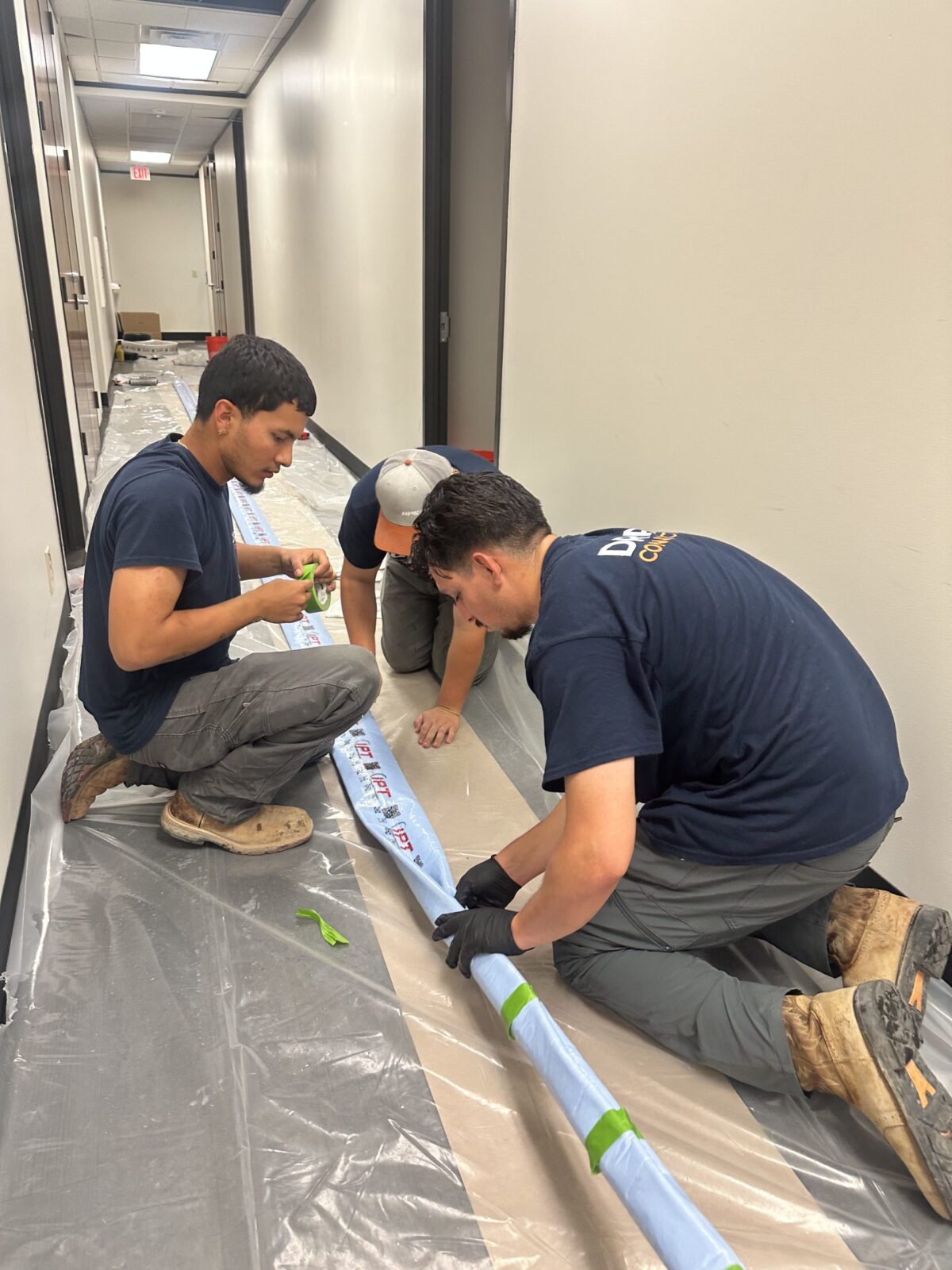
Trenchless pipe lining has been quietly transforming how sewer line repair gets done in residential and commercial properties. The technology is mature, building departments accept it across most jurisdictions, and the math against open-trench replacement is almost always favorable when you factor in surface restoration cost and project duration. For most sewer line problems short of a complete collapse, trenchless wins.
Here is how trenchless lining works, when it is the right choice, and what to expect from the process.
How CIPP lining actually works
Cured-in-place pipe (CIPP) lining inserts a resin-saturated felt sleeve through the existing damaged pipe, inflates it against the pipe wall, and cures the resin in place with heat, steam, or UV light. The result is a seamless, joint-free pipe-within-a-pipe that bonds to the host pipe and reduces the interior diameter by only a small fraction.
Where trenchless wins
Trenchless is the obvious choice when the surface above the pipe is expensive to restore: driveways, hardscape patios, mature landscaping, public sidewalks, or any structure built over the line. Open trenching means demolishing the surface and rebuilding it after the work. Lining preserves the surface entirely.
It is also the right answer when the pipe damage is along the length of the line rather than at a single point. Multiple joint failures, longitudinal cracks, and root intrusion across multiple points are all addressed in a single liner installation.
When open trench is still the answer
Completely collapsed sections cannot be lined — the liner needs an existing pipe wall to bond against. Sections with severe offsets where the pipe is no longer aligned require excavation. New connections to add a fixture or branch line are easier with open trenching.
Cost comparison
Per-linear-foot, CIPP lining costs more than open-trench replacement in PVC. The savings come from surface restoration. A driveway replacement runs $15-25 per square foot. A patio rebuild runs $20-40. Mature landscape replacement is essentially priceless. Once those costs are included, lining is usually less expensive overall for any run that crosses developed surfaces.
Project duration
A typical residential lining project runs 1-3 days from access to completion. Open trench on the same run takes a week or longer once surface restoration is included. For commercial properties where business interruption matters, the duration difference is decisive.
Material durability
Modern CIPP liners carry 50-year design lives. The cured resin is chemically resistant, root-impervious, and not subject to the joint failures that plague clay-tile or cast-iron host pipes. The EPA drain system overview documents how the failure modes of legacy pipe materials drive most residential and commercial sewer problems.
Related Local Services
For homeowners weighing trenchless against open trench, the surface restoration side often involves coordinating with other trades. Professional water damage restoration and structural drying services handle the cleanup side when sewer line failures have caused interior damage. For property owners managing damage claims with insurance carriers during the repair, licensed public adjuster representation services typically recover materially more from the carrier than going it alone.
Your Trenchless Pipe Lining Specialists
At Drain Connection, we run CIPP pipe lining for residential and commercial sewer repair — preserving driveways, hardscape, and landscaping while delivering a 50-year fix. Contact us for a camera inspection and lining quote. Our trenchless pipe lining services cover the full service area.
| What Matters Most | Drain Connection | Typical Plumber |
|---|---|---|
| Response Time | Same-Day, 24/7 | 2–5 Days |
| Pricing | Upfront, By the Job | By the Hour + Surprises |
| Equipment | HD Cameras & Hydro-Jetters | Basic Snake Only |
| Specialty | Drain & Sewer Experts | General Handyman |
| Live Dispatch | Real Person, 24/7 | Voicemail After Hours |
| Guarantee | 100% Satisfaction | Limited |